
















In recent years, the term “burnout” has been used to describe the drained feeling students and teachers have been suffering from. Burnout is a result of chronic, intense stress and high-pressured situations. This condition can lead to a loss of motivation, anxiety and depression in those who are affected. In a post-pandemic world, reports state that students and teachers are becoming demoralized and losing interest in learning. This case of burnout in public schools is likely caused by increased stress due to larger workloads, laws that impact public education and, for students specifically, pressure from adults.
To begin, a 2024 Harvard University study revealed 81% of the teens surveyed felt burned out. Of that group, 56% of the teens reported college as the main cause of burnout. College planning is a stressful process that students must handle on top of schoolwork. Similarly, 27% of the teens described struggling with burnout either caused by social media, parents or other adults in their lives. Seeing the achievements of others online can make students feel as if they aren’t doing enough. This causes students to push themselves harder to meet self-motivated goals. Also, parents and other adults might have expectations, such as perfect grades or behavior, that a student might struggle to meet. Rising Senior at University Liggett School Jaeli Vélez explains how burnout affected her junior year, “I had a lot of absences because of the mental capacity it took. It was so stressful I could not do it last year.” Burnout can cause increased absences at school and missed deadlines which can drop a student’s grade point average (GPA). This leads to more pressure on the student to raise their grades back up.
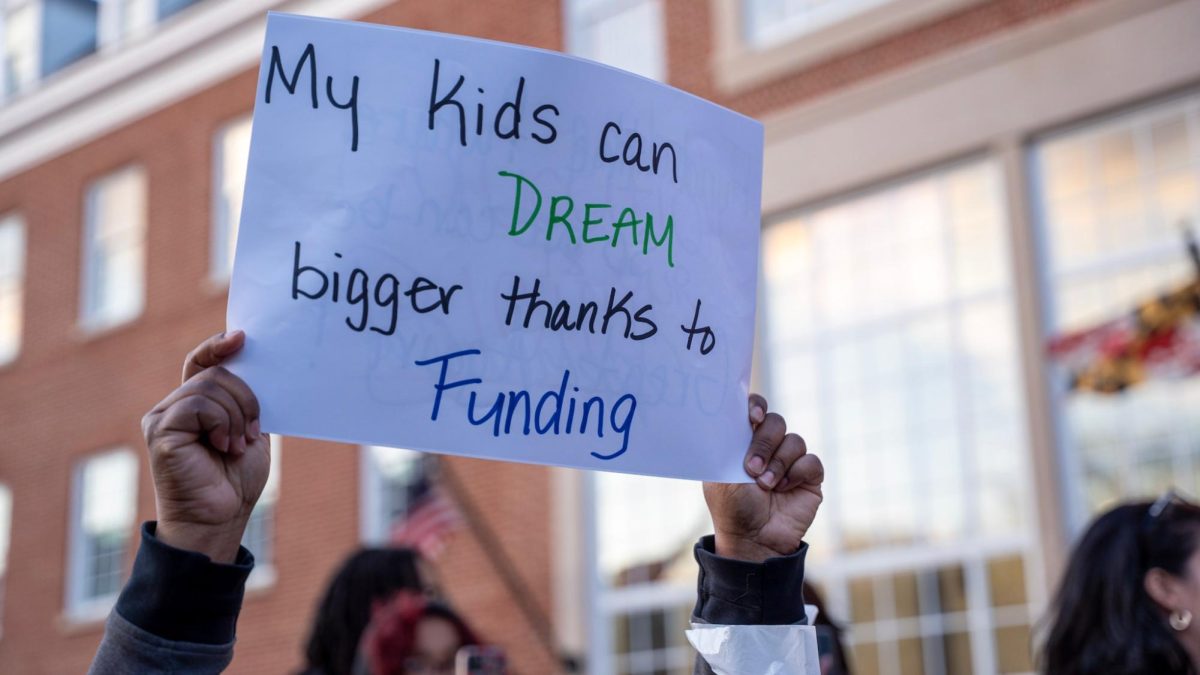
In addition, the University of Missouri found that 78% of the teachers they surveyed have considered quitting their profession due to unsupportive school administrators, excessive workloads, low salaries and/or problematic student behavior. Janet Sanders, a teacher in Herriman, Utah, explained how she felt, “that there’s an anti-public ed sentiment out there.” She continued with, “we just feel threatened, and we feel for our students because we know that they will not be well served.” In recent times, public officials have passed laws, such as book bans, to restrict what can be taught in classrooms. There has also been a lack of funding for schools which led to a shortage of teachers. In response, the existing teachers must take on more work. Teacher burnout decreases the patience teachers have for their students and a teacher’s passion for working. In other words, teachers who are burned out will be less motivated to give their students a high-quality education.
Today, many students and teachers in public schools struggle with burnout caused by a variety of factors. To help alleviate this burnout, schools should switch from a five to a four day school week. A four day school week is currently being used in 24 states in 850 districts nationwide. The extra day off becomes a workday for students and teachers as well as a day of rest. Despite this, some might argue that switching to a four day week would be detrimental to students. Currently, there’s not a lot of research to show the academic benefit of a four day week. Therefore, critics argue that the lost day of education means the four day week doesn’t have any benefits. However, according to the National Conference of State Legislatures, a study by Rand Corp. saw improvements in student attendance, emotional and behavioral well-being and a less-violent school climate during a four day week. Even though the four day week doesn’t have proven academic benefits, there’s still evidence to show an emotional benefit. In this case, due to how it can benefit public schools, a four day school week should be enacted to help reduce the amount of students and teachers feeling burned out.
Sources
Detroit Writing Room. (2025, August 18). High school students face exhaustion,
burnout. Planet Detroit. Retrieved October 6, 2025, from https://planetdetroit.org/2025/08/high-school-students-face-exhaustion-burnout/
Nagelhout, R. (2024, November 26). Students are feeling burned out. Here’s how
you can help. Harvard Graduate School of Education. Retrieved October 6,
2025, from https://www.gse.harvard.edu/ideas/usable-knowledge/24/11/students-are-feeling-burned-out-heres-how-you-can-help
National Conference of State Legislatures. (2023, June 28). Four-day school week
overview. Retrieved October 6, 2025, from https://www.ncsl.org/
education/four-day-school-week-overview
Walker, T. (2025, April 7). What’s causing teacher burnout? NeaToday. Retrieved
October 6, 2025, from https://www.nea.org/nea-today/all-news-articles/
whats-causing-teacher-burnout