



















Schools play an important role in shaping a child’s future, yet traditional curricula often overlook critical life skills needed for adulthood. The World Health Organization defines life skills as “a group of psychosocial competencies and interpersonal skills that help people make informed decisions, solve problems, think critically and creatively, communicate effectively, build healthy relationships, empathize with others, and cope with and manage their lives in a healthy and responsible manner.” These skills include financial literacy and emotional intelligence, which are vital for navigating adult life. Simple, life skills scale way beyond the idea of finances. It could be health related or it could be something like how to cook for yourself.
While core subjects like math, English and science are essential, experts say they do not prepare students for real-life responsibilities. A 2018 study cited by the American First Policy institute revealed that only one-third of adults could answer at least four of five financial literacy questions regarding mortgages, interest rates, inflation and risk. Additionally, 45 million borrowers in the U.S. hold a collective $1.7 trillion in student loan debt, reflecting widespread gaps in financial education. This lack of knowledge leaves many adults unprepared for critical financial understanding.
Mental well-being is another critical area where life skills education can make a difference. A study by the American Psychological Association found that teens’ average stress level was 5.8 (on a 10 point scale), which exceeds the healthy adult stress threshold of 3.9. This shows that students are experiencing more stress during this time of life due to school, work, family, whatever it may be. Although, they are not being taught the life skills that are required to deal with mental stress and to adequately take care of those strong feelings and emotions they have. This falls under the life skills category and it is not being taught efficiently to the point that students are paying a price in the long run.
Furthermore, financial literacy, in particular, demands a lot of emphasis. While some schools may have courses that students can sign up for, they are not as mandated as much as they should be. The National Financial Educators Council highlights that young people are increasingly anxious about their financial futures, yet many graduate without knowing how to budget, file taxes or manage credit. When asked, a student who would wish to stay anonymous stated “I believe that finances should be included. I have no clue how to do half of this stuff and I think it would be a good idea for me to.” Even the students are expressing desire to have further knowledge in how to take care of themselves and what to do when they finally become independent adults. Integrating financial literacy and information into core curriculum for high school students, specifically when they are in 11th and 12th grade, could empower students to make more informed decisions and know how to make these decisions about loans, mortgages and investments. These should be mandated courses that will provide students credits to graduate and ensure they are provided with this important information.
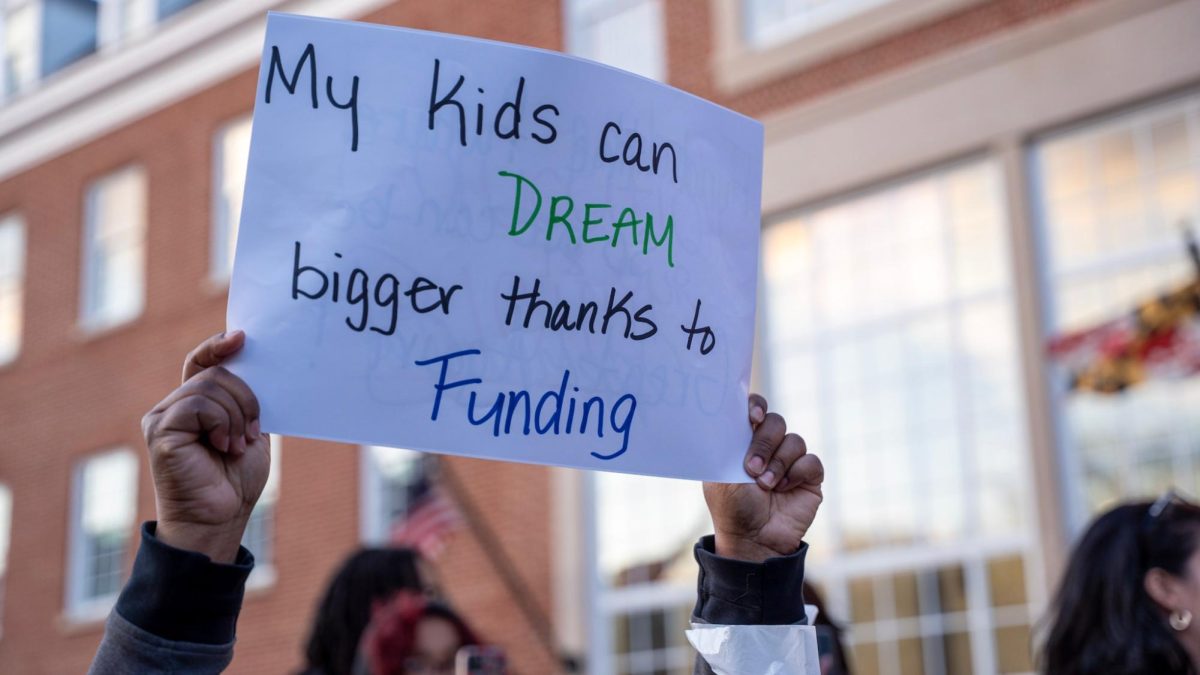
States should leverage resources like the Adult Education and Family Literacy Act and Title II of the Workforce Innovation and Opportunity act to fund life skills programs. The Adult Education and Family Literacy Act is the grant funding that is implemented into schools for literacy and workforce training for students, and the second title of the Workforce Innovation and Opportunity act is the funding of literacy activities and education. These are used to provide funding for schools in order to be able to provide in-depth teaching about these skills. Arguments could be made against integrating life skills into schools, such as the core subjects are more important to be taught and they reflect basic knowledge, according to The Daily Nebraskan, but this argument can be easily dismantled. It is not being said that core subjects should not be taught more or the main focus of schools. The argument is simply that financial and life skills should be integrated into school curricula to help students. Schools must prioritize these skills, along with the core subjects, to prevent future hardships of their students and ensure that they are equipped with not only academic knowledge but also with the tools to thrive in their adult years.

