


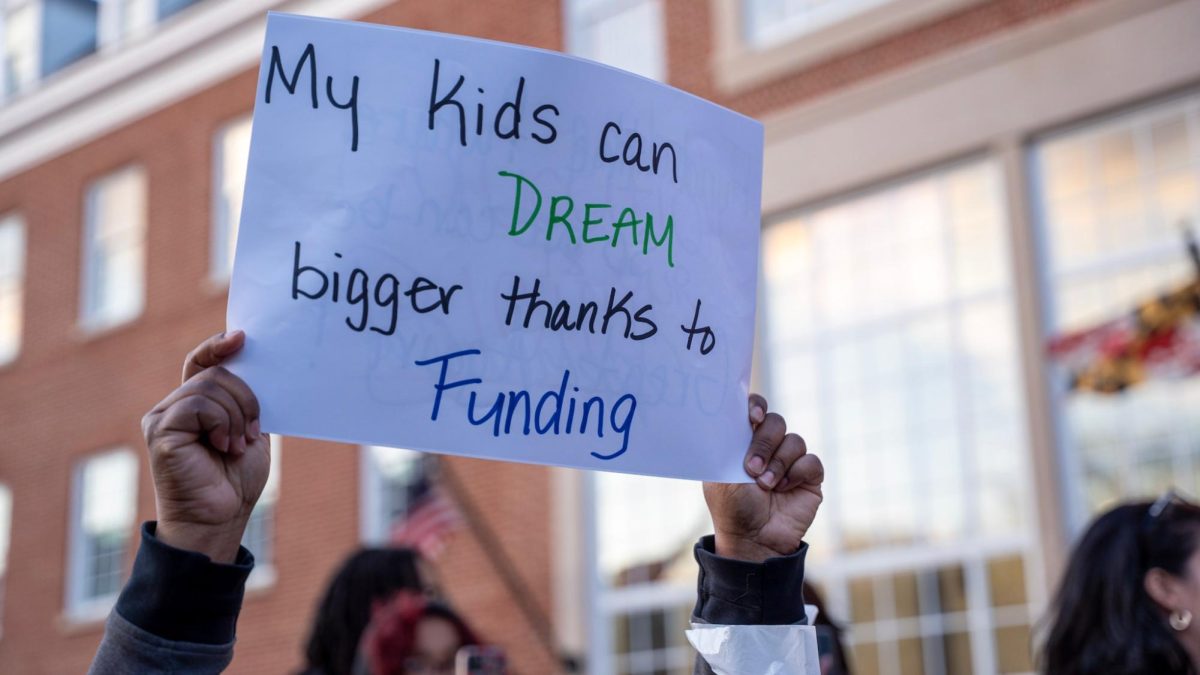











Some students say unfair punishments- those that feel inhumane, degrading or disproportionately severe- remain common in U.S. school systems. At Tuscarora High school in Frederick, Maryland, students and staff describe an inconsistent disciplinary environment that can feel anything but fair. Whether it is in the classroom, in the bathrooms or in the hallways, these punishments are seen and many have spoken out about them. Rules are enforced too strictly for some and ignored for others, often because of perceived biases, favoritism or uneven application.
To begin, unfair punishments occur frequently at Tuscarora and across the United States school systems. Common penalties include suspensions, in school suspension, lunch detention and referrals. These stem from infractions such as roaming the halls and not being in class, getting into fights, tardiness, excessive absences, or behaviors that disrupt the classroom or school environment. Black students and students with disabilities are punished at a higher rate. A Feb. 12, 2025 report titled “Unfair Punishments: How School Discipline Disproportionately Targets Students With Disabilities” and data from the Maryland State Department of Education show African American males are far more likely to face these consequences. This could be due to many reasons, such as systematic problems that treat black students disproportionately to other races. In the 2023-24 school year, Black students in Maryland received 3,067 in-school suspensions- more than half of the statewide total of 5,942- despite making up a smaller share of enrollment. Males received 4,148 suspensions, compared with 1,793 for females. Students with disabilities accounted for 1,372 suspensions, another sign of over-representation. These punishments, with the idea of bias, cause feelings of unfairness to students and faculty that know and witness the events.
Additionally, teachers and students see these problems firsthand. Tuscarora math teacher Jeffrey Heller said in a Nov. 7th, 2025 interview that some rules, including the tardy policy, are necessary but must be applied evenly. “I see students roaming the hallways all the time. The constant hall wanderers don’t get stopped, while others who wander once or twice are punished more harshly.” He called for consistent enforcement or revision of rules that aren’t working. Mr. Heller touches on a major point that the lack of consistent enforcement is the basis for the idea of how unfair the punishments can be in the school environment. Another teacher at Tuscarora, who wished to stay anonymous, shared similar ideas to Mr. Heller and many other teachers asked in passing. “I believe that some of the policies cause unjust punishments. Students have a lot going on, and it’s our duty to help them, not harm them.” The teacher expands on this, stating, “schools should be a consistent environment that grows students, not harms. That’s why I like the restorative justice method.” This method, in which the students speak to each other while being supervised to talk out grievances, is a major step to enforcing the code of conduct effectively, but this can only be done if the rules are enforced consistently before punishments.
Anonymous students from Tuscarora and other schools describe strict phone policies and punishments that stem from unfairness. One recalled a teacher snatching a phone without warning, leading to detention, “I remember when this girl got caught with a phone once and the teacher just snatched it out of her hand without warning. I don’t think it’s fair that teachers can just take it from us like that and then we end up having to face harsh punishments like detention for something so small,” they said. Another Tuscarora student received punishment for having a phone during a personal crisis even after explaining the situation to the teacher. “I just don’t think it is fair that teachers can take students’ personal property, especially when they are dealing with something.”
Administrators offered a different perspective. Tuscarora administration Mrs. Tanisha Smith said in a Nov. 17th, 2025 interview that staff members are often criticized for being too lenient. “We take into consideration the students’ background,” Smith said. “We seek to change behavior, not to punish it.” She gave insight about how punishment procedures are, saying that they investigate thoroughly and with the idea of leniency, that they listen to students and do not punish them depending on the offense and background information of the student or the context on what happened.
Historically, school discipline included corporal punishment such as spanking. Though largely phased out, critics say today’s policies feed the school-to-prison pipeline. An Education Trust report warns that suspensions increase dropout risks, especially for African American students and those with disabilities. The report recommends restorative justice practices, staff training and compliance with federal laws Section 504, which prohibits discrimination against students with disabilities. Frederick County Public Schools’ student code of conduct stresses fair discipline, but students and staff agree enforcement often falls short. Students are required to attend school and deserve consistent, equitable treatment regardless of background, they say. Administrators must apply rules uniformly and students should follow expectations while speaking against inequities. As Heller put it: “Balance is key to a supportive school.”

