















Hall roaming is when students leave class for 15 to 30 minutes, or don’t show up entirely, to walk around the building. Students typically leave class to avoid schoolwork, a disliked class or to give themselves a mental break. However, students miss instruction and work time by leaving class. Hall roaming is an issue that affects schools nationwide. Tuscarora High School (THS) in Frederick, Maryland has been working to reduce the number of students roaming the halls. As of Nov. 5, 2025, 60 referrals have been handed out to students for cutting class. 12 referrals have gone to the freshmen, 11 to the sophomores, 30 to the juniors and seven to the seniors. There have been many more students who roam the halls but haven’t been caught. To prevent this, THS staff have implemented hall monitors and the SmartPass program. The SmartPass program is a system that creates hall passes for students. All passes that students request must be viewed and approved by a staff member before the student is allowed to leave. SmartPass alerts staff when students are out of class for too long and allows staff to monitor roughly how many students are in the halls at one time. This program also prevents students from leaving class during the first and last 10 minutes of a class in “no fly zones.” Through this program, THS can see which students are supposed to be in the halls and can identify those who weren’t given a pass.
During some recent interviews, a few THS staff members gave their opinion on the issue of students roaming the halls. An anonymous teacher who has worked at THS since 2006 said there are, “less [students roaming] now than I would say maybe four years ago.” Another anonymous staff member who’s been at THS for six years disagrees saying, “I don’t think there’s ever been a true decrease in the time that I’ve been here.” Principal Lisa Smith had her own opinion as well, saying, “I think it’s gotten a lot better over the years, but there are certainly students who like to avoid class.” When asked about SmartPass’ effectiveness in stopping students from roaming, Mrs. Smith replied, “Absolutely, I’ve had feedback from students that say they hate [SmartPass] but also love it because it makes them more accountable.” Both of the anonymous teachers agreed that SmartPass has been helpful to them in keeping track of students. These teachers liked how SmartPass has allowed them to keep track of which students are in the hallways and which students are coming to their classrooms.
Apart from teachers, students were interviewed as well. Senior Chris Valle explained that most of his passes were, “mainly bathroom related.” However, long waits and SmartPass time limits are a source of frustration for him. “It sucks, sometimes I can’t use [the bathroom] at lunch or during a passing period and it takes forever to get to my turn,” he said. Still, Valle admitted that, “it gives me a mental break to just have some time to myself and debrief.” Junior Henry Reyes agrees and said he roams the halls, “just to clear my mind and stretch my legs a bit.” On the topic of abusing SmartPass, Valle understands how others might take advantage of SmartPass to skip class altogether. Alongside this, Reyes said he recognizes that walking the halls too long can lead to missing instruction. Also, hallway roaming can lead to a disruptive school environment as many groups of hall roamers will roughhouse and be loud near other classrooms. The yelling from those students can be distracting to classes trying to learn. It’s been reported that 48% of schools nationwide have seen students be rowdier outside of the classroom, and 30% of surveyed teachers have been more stressed due to dealing with negative student behavior (National Center for Education Statistics). Teachers are stressed because they’re the ones who have to talk to the rowdy students directly or take time to report them to the admin. Essentially, when more students roam the hallways, teachers have to take time out of their busy schedules to send the students back to class.
Beyond SmartPass alone, THS has used hall monitors to escort students back to class, but it has been somewhat ineffective as most roaming students will ignore hall monitors. Despite this, Sherwood High School in Montgomery County has seen a reduction in class disruptions after being stricter on students. This strictness, which involves more conversations and immediate discipline like detentions, has caused Sherwood’s methods to be more effective than THS’ methods. Due to THS staff not wanting to be cussed out or ignored by students, many members will ignore groups of roaming students in the halls. This causes roaming students to experience less consequences for their actions. THS Staff must follow the FCPS Code of Conduct which designates “class cutting” as a level two and three offense. The higher the number, the more extreme the disciplinary methods become. The highest tier is level five and the lowest is one. Since there are worse offenses than missing class, it’s reasonable for this offense to be placed within the middle tiers. That being said, stricter methods are likely needed in order to show students that there are consequences to hallway roaming.
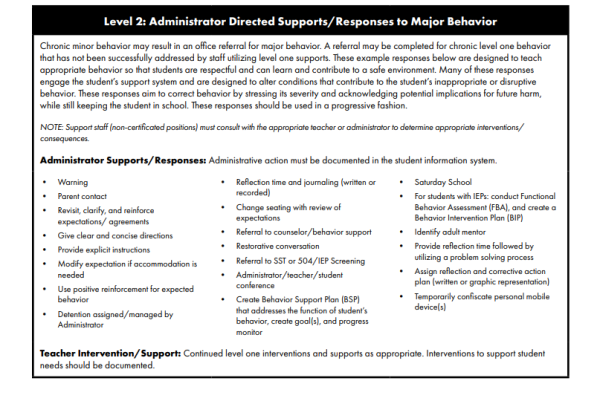
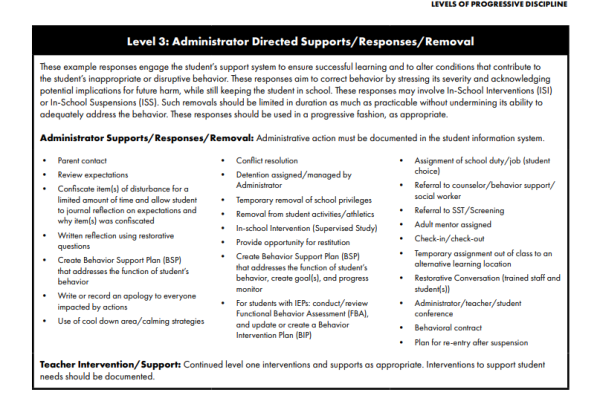
Despite the level being reasonable, there are solutions that THS can enact to cut down on hallway roaming. For example, at Menlo-Atherton High School in California, the high school has begun doing hallway sweeps after the bell rings. This involves staff members sweeping the halls and collecting wandering students. THS hall monitors could begin doing a sweep as well at the beginning of every class to force wandering students back to class. Similarly, at Dominion High School in Virginia, teachers have been very strict about writing up students who are missing from class for extended periods. While THS does write up students, they’re incredibly lax with doing so. Many students leave class for weeks before they finally get written up for it. Like Sherwood and Dominion, THS should double-down and be more strict on students roaming the halls. THS should also enact the hallway sweeps that Menlo-Atherton uses to make sure students get to class in the first place. While THS is making good progress towards stopping hall roaming, further effort is going to be needed.
Sources
https://www.smartpass.app/blog/improve-hallway-behavior-schools
https://thewarrioronline.com/2023/11/03/hallway-clampdown-has-proven-effective/
Staff and student interviews
STUDENT CODE OF CONDUCT AND PARENT HANDBOOK

